Expert Tips to Computer Recycling Houston
Redirect Refuse into Prized Goods: Highlight the Veiled Worth in Electronics Recycling
Electronics reprocessing is an essential system that transforms discarded devices into useful materials. It tackles the growing problem of e-waste while recovering precious materials. This practice not only safeguards the environment but also boosts local economies. As regions pursue sustainable solutions, the untapped potential in old electronics becomes increasingly obvious. What lies beneath the surface these discarded items, and how can they be converted to prospects for a better future?
The Environmental Implications of E-Waste
As electronic waste steadily accumulates worldwide, its environmental impact becomes increasingly pronounced. Discarded electronics often contain hazardous materials like lead, mercury, and cadmium, which can soak into soil and water systems, creating grave dangers to ecosystems and human health. The wrong handling of e-waste contributes to pollution, affecting air quality and contaminating local water supplies. Additionally, the incineration of e-waste vents toxic emissions, further compounding environmental degradation.
Landfills overflowing with e-waste generate extended environmental challenges, as these materials can take centuries to disintegrate. The rising volume of e-waste not only imperils biodiversity but also burdens natural resources as more mining is required for new materials. Conscientious recycling approaches can diminish these effects, permitting improved waste management and resource recovery. As awareness of these impacts grows, the need for comprehensive waste management strategies becomes essential for a resilient future.
What Worthwhile Materials Are Present in Your Old Devices?
Older electronics accumulate a treasure trove of prized components, regularly underestimated by consumers. Examples including smartphones, laptops, and televisions feature valuable elements including gold, silver, and palladium, which are necessary for circuit boards and connectors. In addition, copper wiring, located in several electronics, carries substantial reuse potential owing to its electrical conductivity and demand throughout various industries.
Rare earth elements, like neodymium and dysprosium, are vital for strong magnets in speakers and hard drives, affecting their substantial market price. In addition, batteries in electronic devices frequently hold lithium, cobalt, and nickel—materials essential for storing energy and electric vehicle production.
Understanding How Electronics Recycling Works
Electronics recycling requires a structured method to manage discarded devices. The process begins with the gathering and delivery of old electronics, then disassembly and categorization to divide components. Ultimately, valuable materials are recovered for reuse, supporting resource conservation and environmental protection.
Gathering and Transportation Procedure
The gathering and movement procedure of electronics recycling commences with community engagement and awareness campaigns that encourage consumers to appropriately dispose of their old expert guide devices. Local authorities, charitable organizations, and waste management companies frequently work together to establish collection hubs, such as designated drop-off locations or scheduled collection events. These initiatives aim to make recycling user-friendly and available for the community.
Once gathered, the electronics are safely delivered to specialized recycling facilities, making certain they are treated with care to minimize environmental impact. Well-organized transportation are essential, as they help optimize the flow of materials while reducing carbon footprints. Thorough record-keeping accompanies the shipped goods to track their journey, guaranteeing responsibility throughout the recycling process.
Dismantling and Arranging Systems
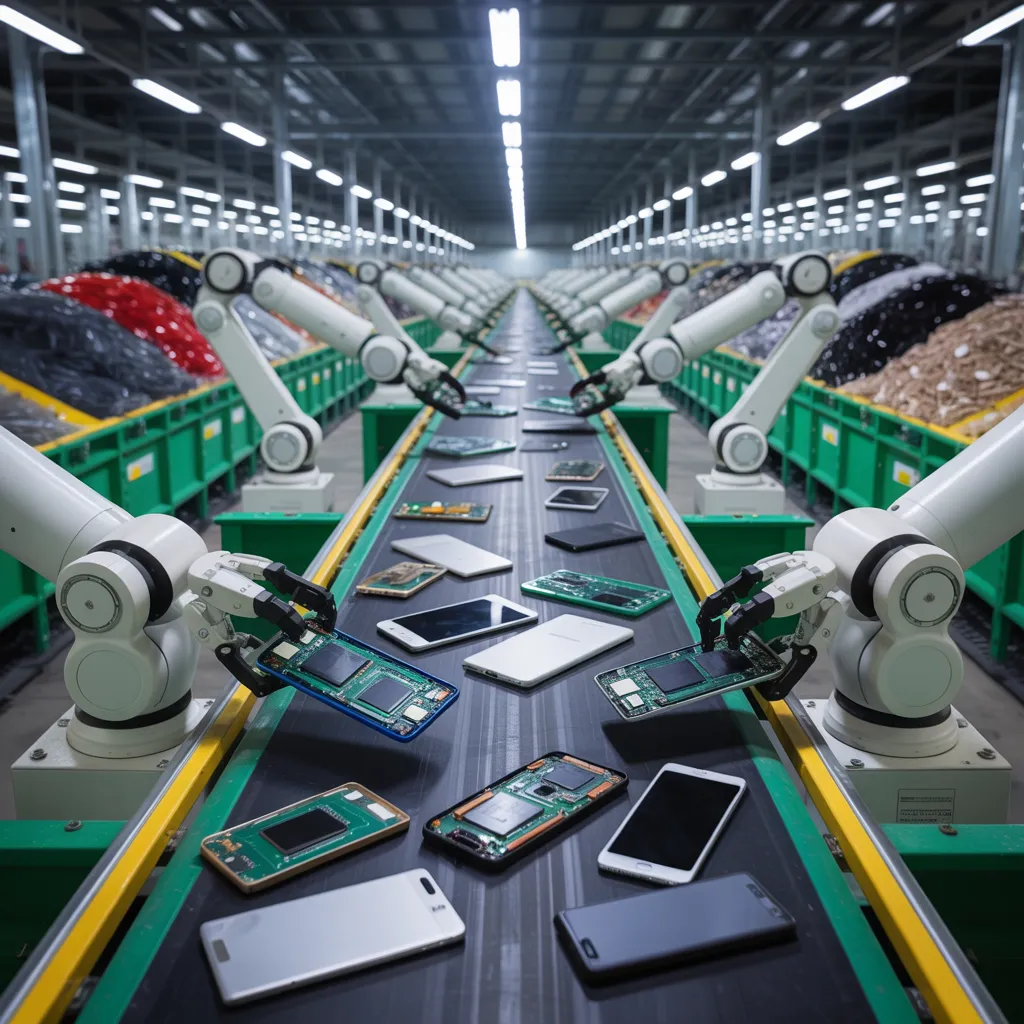
At recycling facilities, collected devices experience a thorough dismantling process upon arrival. Skilled technicians meticulously disassemble electronics, separating components such as circuit boards, batteries, and plastics. This process frequently involves the use of specialized tools to maintain safety and efficiency. Each component is inspected and classified based on material type and potential for recovery or recycling.
Manual deconstruction is paired with automated machinery, which aids in sorting larger volumes of devices. As the components are sorted, harmful materials, such as lead or mercury, are isolated for safe disposal. This systematic approach assures that valuable materials are preserved while minimizing environmental hazards, laying the groundwork for the next stage of the recycling process.
Recovery of Precious Components
Recovering precious resources from dismantled electronics requires a series of precise processes designed to maximize resource extraction. After sorting, parts are exposed to physical and chemical processes that separate metals, glass, and plastics. Techniques such as grinding and fragmentation break down substances into smaller pieces, facilitating the recovery of valuable metals like gold, silver, and copper. Sophisticated techniques, including hydrometallurgy and pyrometallurgy, are utilized to recover these metals from their ores. Furthermore, rare earth elements, vital for modern technology, are also extracted. By optimizing these recovery processes, recycling centers can greatly reduce waste and provide essential resources back into the production process. This not only conserves natural resources but also supports a sustainable economy.
The Benefits of Recycling Electronics for Your Local Community
Recycling electronic devices presents substantial benefits for local communities. It can stimulate economic growth by generating new business opportunities and fostering job creation in the recycling industry. Furthermore, better environmental conditions results from decreasing electronic waste, helping both residents and ecosystems in the region.
Economic Development Opportunities
Turning electronic discarded electronics into beneficial resources opens up noteworthy economic growth opportunities for local communities. By launching recycling programs, communities can generate jobs in retrieving, processing, and sales of recovered materials. These strategies not only reduce jobless rates but also encourage new skills development in the workforce. Local businesses can flourish as they leverage the demand for recycled materials, which are increasingly sought after in manufacturing sectors. Additionally, as communities adopt electronics recycling, they can attract investment from green technology firms, furthering economic diversification. Heightened involvement in recycling initiatives can boost local economies, inspiring residents to participate actively, thus reinforcing a culture of sustainability while driving growth and innovation.
Ecological Health Advancement
Electronics reprocessing greatly enhances ecological well-being within local communities. By properly disposing of electronic waste, dangerous materials such as lead, mercury, and cadmium are kept from polluting soil and water sources. This reduces the risk of toxic exposure for residents, advancing overall neighborhood health. Additionally, recycling programs can minimize landfill overflow, conserving valuable land and reducing greenhouse gas emissions associated with waste decomposition. Effective recycling initiatives promote public participation, building awareness of environmental issues and promoting sustainable practices. As communities implement these programs, they experience improved environments and improved public health, ultimately leading to a more vibrant environment. The aggregate effects of these practices contribute considerably to the future durability and resilience of local ecosystems.
Position Formation Outlook
Capitalizing on the advantages of electronics recycling can profoundly strengthen local economies by producing career openings throughout various industries. As communities participate in recycling efforts, diverse positions surface, including collection and transportation alongside sorting and processing electronic waste. Local businesses prosper as the need for recycling services surges, fostering small business development and forward-thinking solutions. Additionally, specialized training programs can arm workers with indispensable capabilities, advancing employability in a flourishing green economy. Moreover, the development of recycling centers can establish permanent positions, providing dependable employment opportunities. By investing in electronics recycling, communities not only cut down on waste but also accelerate economic growth, ultimately raising the quality of life for residents while advancing sustainability.
How Can You Access Ethical Recycling Programs?
How can businesses and individuals guarantee their used electronic devices are disposed of responsibly? One effective approach is to find certified e-waste recycling programs. Companies such as the e-Stewards and R2 (Responsible Recycling) certification guarantee that recyclers adhere to strict environmental and ethical standards. Many municipalities also offer specific collection points for electronic waste, often providing affordable or free recycling services.
Additionally, big retailers such as Best Buy and Staples provide take-back programs, permitting consumers to return unwanted electronics in a safe manner. Nonprofit organizations and local charities may also accept functional devices, advocating reuse instead of recycling.
Ultimately, digital platforms can link consumers with responsible recyclers, guaranteeing proper disposal. By utilizing these resources, both individuals and businesses can contribute to a sustainable future while reducing the ecological footprint of discarded electronics.
Smart Ideas to Repurpose Your Vintage Electronics
Repurposing old electronics provides a creative way to minimize waste while breathing new life unused devices. Many individuals have found innovative uses for outdated gadgets. For instance, old smartphones can be transformed into dedicated music players or home security cameras, delivering functionality without the need for new purchases. Similarly, outdated laptops can function as media centers or digital photo frames, displaying cherished memories.
Another strategy includes using parts from broken devices. Motherboards can be transformed into unique wall art, while old audio units can be repurposed into stylish Bluetooth speakers. Additionally, LED displays from obsolete monitors can be employed as backlit displays for bespoke projects.
These brilliant solutions not only curtail environmental burden but also inspire a sense of accomplishment. By breaking traditional boundaries, people can see functional value for their dated gadgets, reshaping waste into assets.
Frequently Inquired Questions
Can I recycle Electronics That Are damaged or Non-Functional?
Yes, damaged or inoperative electronics can often be recycled. Many facilities accept such items, guaranteeing that valuable materials are reclaimed and harmful substances are safely eliminated, encouraging environmental responsibility and sustainable resource management.
Where Does My Data Go During the Reprocessing Process?
Throughout the recycling procedure, data is usually eliminated through methods including cutting or magnetic erasure. Recyclers confirm that sensitive information remains unrecoverable, safeguarding individuals from potential identity fraud or data breaches connected to disposed electronic devices.
Are Fees Linked To Processing Electronics?
Yes, fees can be tied to recycling electronics, depending on the establishment and the category of device. Some groups may assess fees for certain items, while others offer free recycling options to promote responsible disposal.
How Should I Safely Ready My Electronics for Recycling?
To securely ready tech equipment for waste disposal, one should remove personal data, detach all wires, and package devices securely. Additionally, reaching out to local recycling centers for specific preparation guidelines is advisable to assure proper handling.
Which Credentials Should I Search for in Recycling Initiatives?
When inspecting recycling programs, organizations should seek certifications such as R2, e-Stewards, and ISO 14001. These guarantee adherence to environmental standards, responsible handling, and safe processing of electronic waste for sustainability and safety.